For many, there is a fascination and a mystery about the Caribbean Island of Cuba, thus earning its place on numerous bucket lists, not least mine. First-time visitors are not entirely sure what to expect, while seasoned travellers keep coming back for a reason. Cuba boasts an abundance of rich history, vibrant culture, rhythmic music, and breathtaking natural beauty. Yet, it's the genuine warmth exuded by the local people that truly sets Cuba apart.
Last year, I was fortunate to embark on a group tour, joining fellow travel industry professionals from diverse corners of the globe. Sponsored by the Ministry of Tourism for Cuba (MINTUR), Gaviota Tours, and Muthu Hotels, this unique opportunity not only allowed me to explore Havana, Cuba's iconic capital but also to discover the island's lesser-known towns and regions.

As I packed my Cuban heels and headed for London's Heathrow Airport for a flight that took me via Frankfurt, I knew I was in for an unforgettable experience and the trip of a lifetime.
Having landed at Havana Airport we were ushered into a VIP area which consisted of a selection of tired leather seats that could have come straight out of a 1980's Dynasty set. Alongside was a makeshift bar with a selection of local spirits, soft drinks, and uninspiring sandwiches. To greet us was a pretty Cuban lady, who welcomed us with a smile as broad as the island itself.
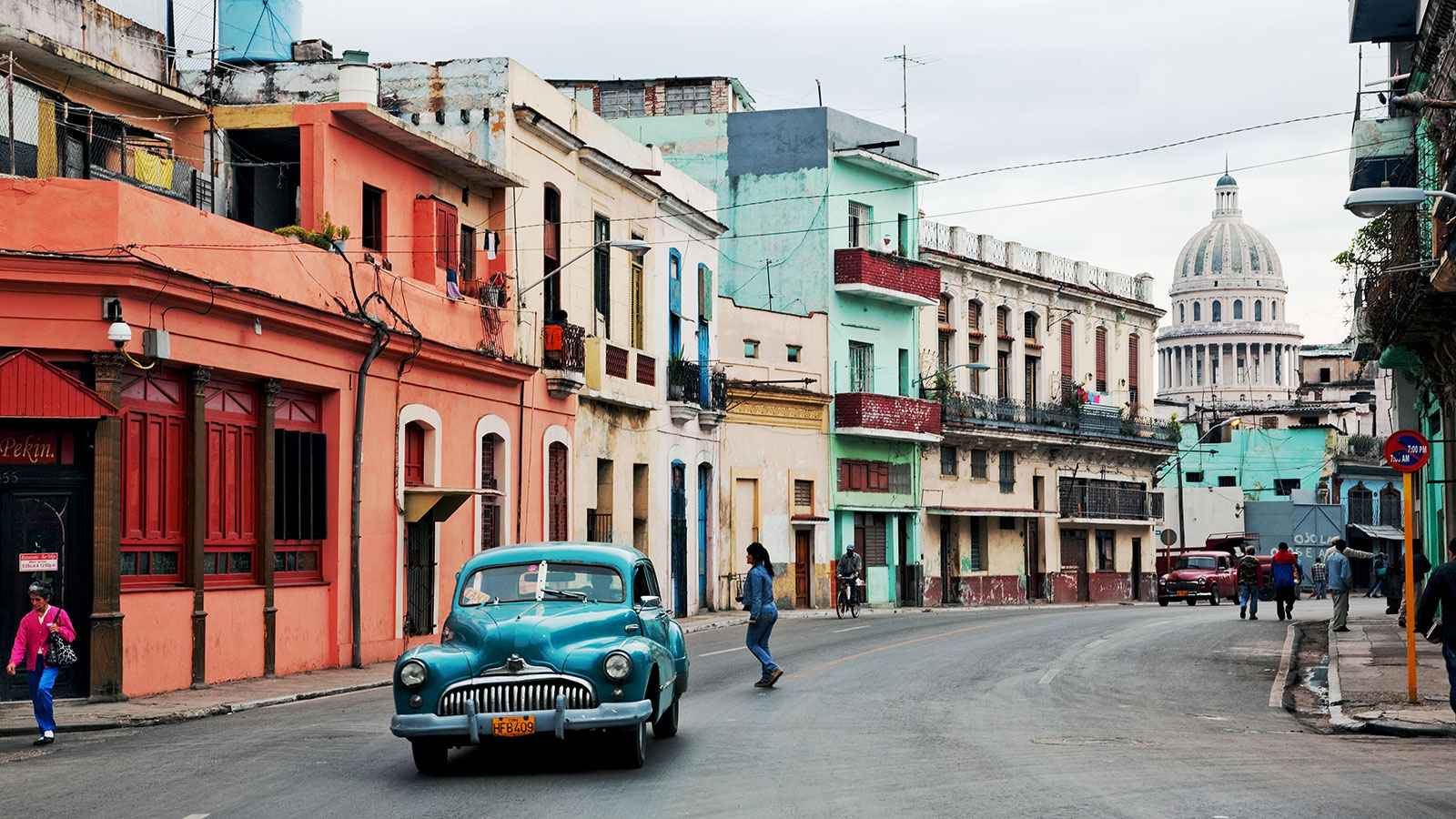
The journey from the airport to our hotel was just 30 minutes, but as I took my first look at Cuban life, it was the moment that set my pulse racing. Like a child on his first school outing, with my nose pressed against the glass, I excitedly witnessed locals going about their daily lives, ornate buildings in various states of disrepair alongside immaculate Spanish Colonial houses, and then the cherry on top, those stereotypical Cuban Cars rumbling through the streets with a blend of menace and coolness.
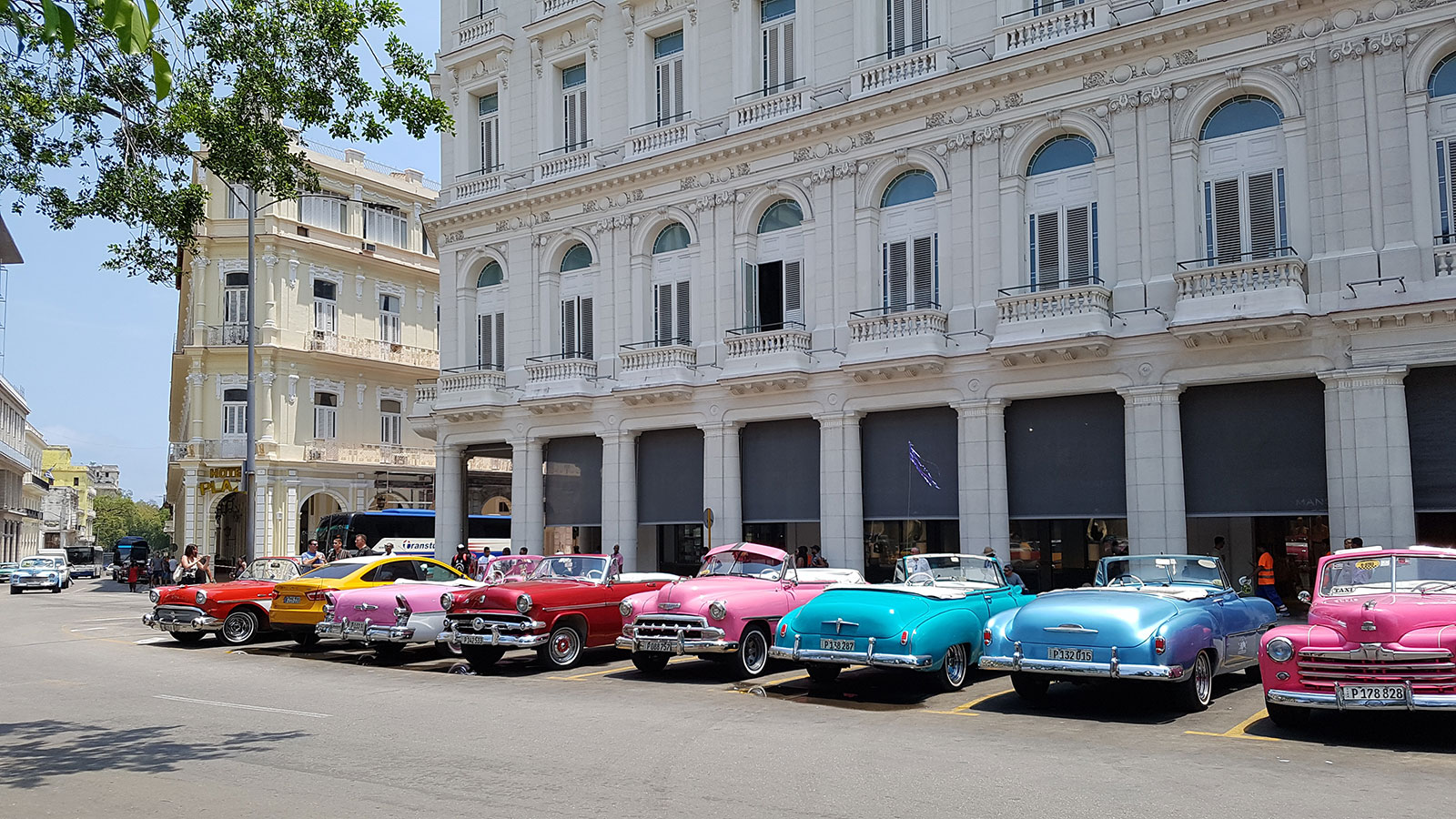
I guess in hindsight this period between landing and arriving at our hotel rather set the scene for the next week - I was not sure what I was going to experience but I knew it was going to be different, and for that reason alone, I knew I would love every second.
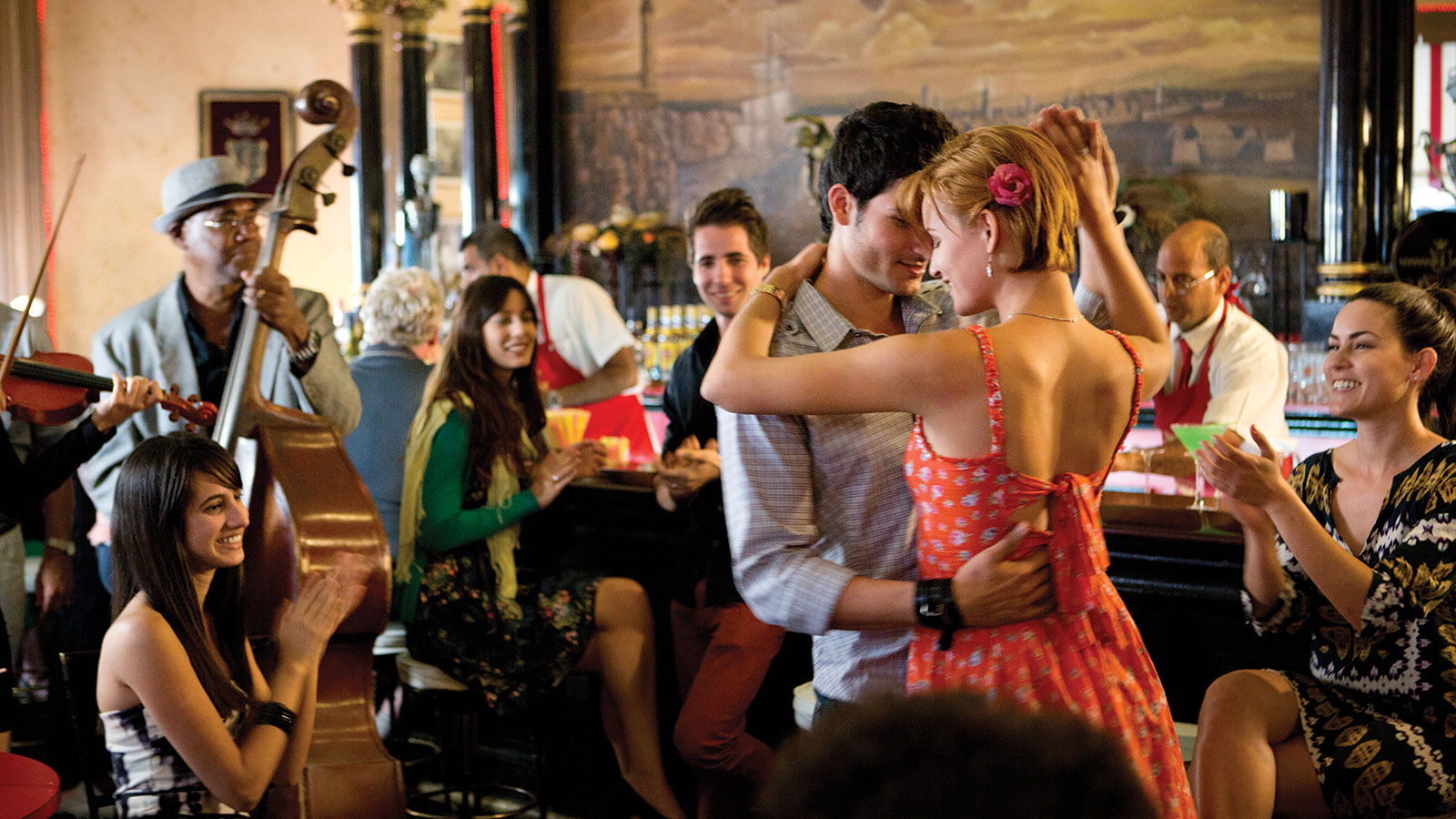
The time capsule that is Havana was everything I expected and more. Those cars of course were a highlight, but the buildings, the history and the sultry sounds of salsa echoing through every corner was an experience I will never forget. Cuba and Havana truly exude a rhythm that's impossible to resist.
Some of the key locations and attractions include:
Old Havana or "Habana Vieja" as it is known locally. This UNESCO World Heritage site is full of fascinating architecture from both the Baroque and Neoclassical eras. The best way to explore is to walk, carefully, along the uneven pavements and just wallow in the charm, the buzz and the vibe of this incredible city.
I loved Cuba's capitol building, "El Capitolio". Constructed between 1926 and 1929, this stunning, imposing structure, modelled after the U.S. Capitol in Washington, D.C., is a must-visit attraction. Whether admiring its exterior or paying an entrance fee for a tour of its interior, the experience is truly worthwhile.
It will come as no surprise that I took a tour, in a three-generation owned pink 1959 Buick Electra classic car, around the streets of Havana. This was well worth the 50 dollars, if just for the experience, however it will also take you to some of the most noteworthy sites in the city. For example, we pulled up alongside several other cool vehicles in the huge Plaza de la Revolucion. This famous square is overlooked by the Jose Marti Memorial and surrounded by various government buildings, two of which have enormous murals of the revolutionaries, Che Guevara and Camilo Cienfuegos. The square is perhaps most famous for being the location of many of Fidel Castro's major speeches as president.
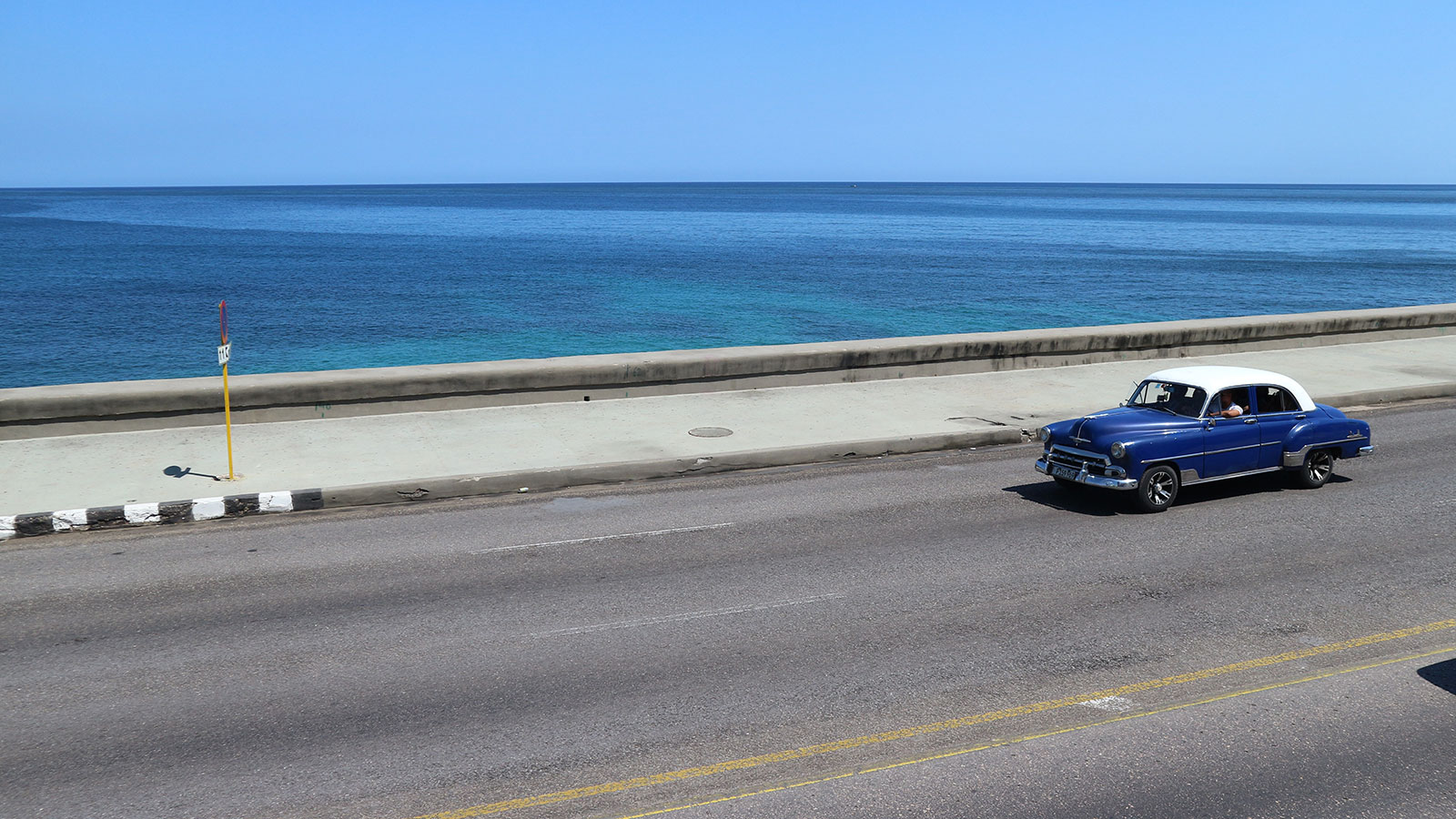
The Malecon is another place not to miss. This 5-mile-long coastal promenade stretches from Habana Vieja (Old Havana) to the Vedado and Plaza neighbourhood. It is a great place to cruise along by car, or simply hang out, and people watch as locals meet up to sip rum, chat or dance the night away at the many salsa clubs.
Havana is also home to many stunning cathedrals, and museums so do your research and prepare for an eye-opening stay full of interest and surprise.
Music is of course a key feature of daily life in the city, and when combined with a lunch or a dinner it makes for a very special experience. I took lunch at the "La Bodeguita del Medio" in Old Havana. As you approach the end of Calle Obispo (Bishop Street), across Monserrate Street from the National Museum of Fine Arts, you can hear music emanating from the restaurant. Carefully climb the spiral steps, reading the graffiti on the walls as you go, and enjoy a meal in true Cuban style. This establishment is said to be one of Ernest Hemingway's old haunts, so you cannot stop without sampling one of their famous, yet in my opinion, somewhat disappointing Mojitos.
If the Mojito did not hit the spot, then you can always head to another Hemingway hangout, at the world famous "El Floridita" where the Strawberry Daquiri is the drink of choice. This iconic bar oozes history and is throbbing with expectant tourists enjoying the music, the atmosphere and in some cases maybe one too many cocktails!
I cannot tell you how much I loved Havana; however, I knew that after my time in the city was over, I would want to get out and see more of the country.
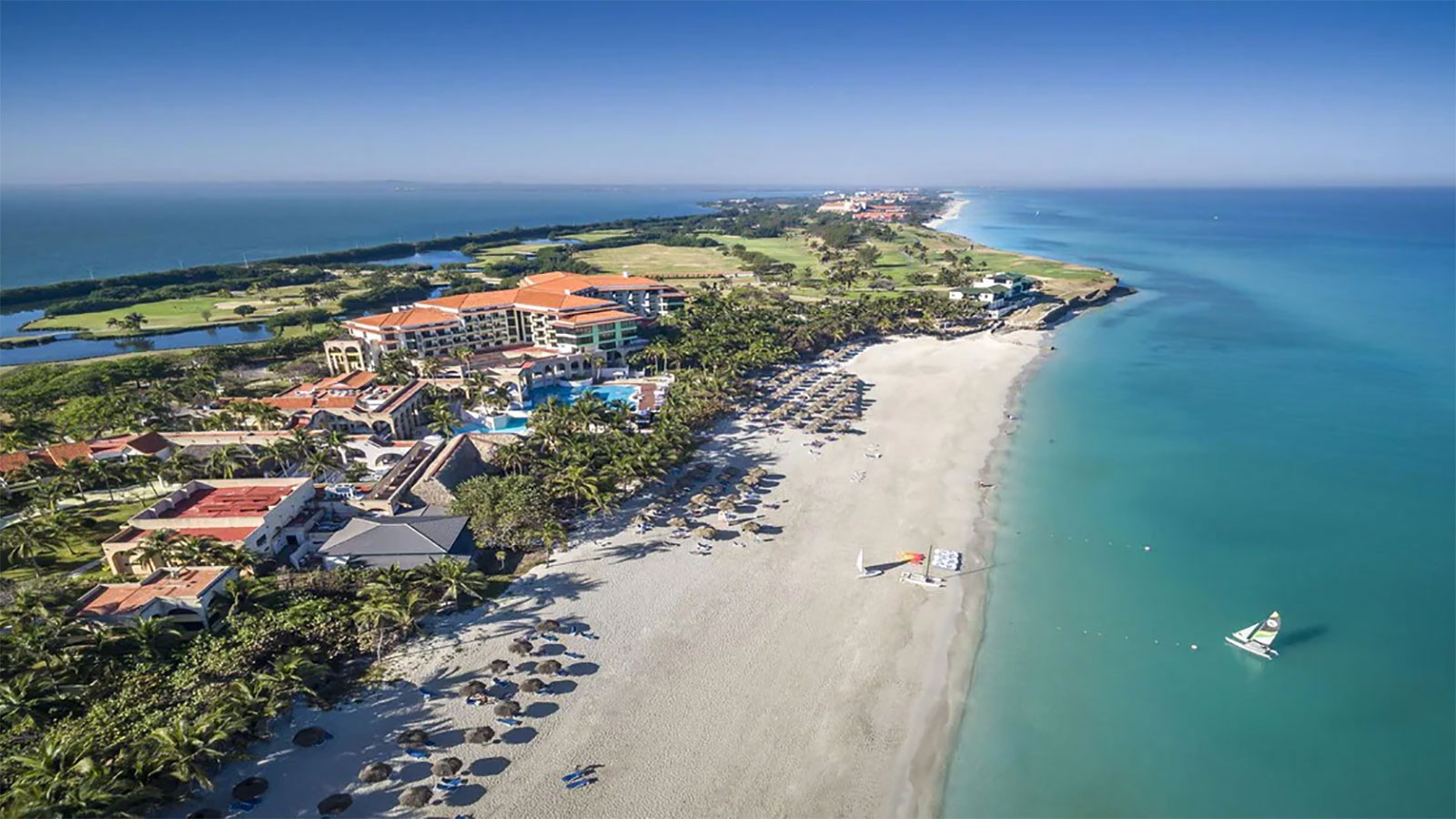
Just two hours east from Havana is the stunning paradise of Varadero that entices visitors with its turquoise waters, sun-kissed beaches, and lively cultural atmosphere. What surprised me was that Varadero was also home to those cool cars, and taking a pink Cadillac taxi from my hotel to the centre of Varadero was an experience I will always savour!
The multi-award-winning gorgeous powdery white sandy beaches span more than 20 kilometres and are perfect for those looking to enjoy water sports like snorkelling or kayaking, lounging in the sun, or simply taking a leisurely stroll along the shore.
Behind the beaches are numerous hotels, restaurants, and cocktail bars. I also really enjoyed the shops and markets here selling not just the usual toot, but also some high-quality homemade crafts and art.
It is safe to say that Varadero is the opposite of Havana, but that is exactly why it makes such a great twin-centre holiday option.
Prior to this trip, I had very little knowledge of Cuba, aside from the top two tourist destinations, Havana and Varadero - but there is so much more to this, the largest of all the Caribbean Islands.
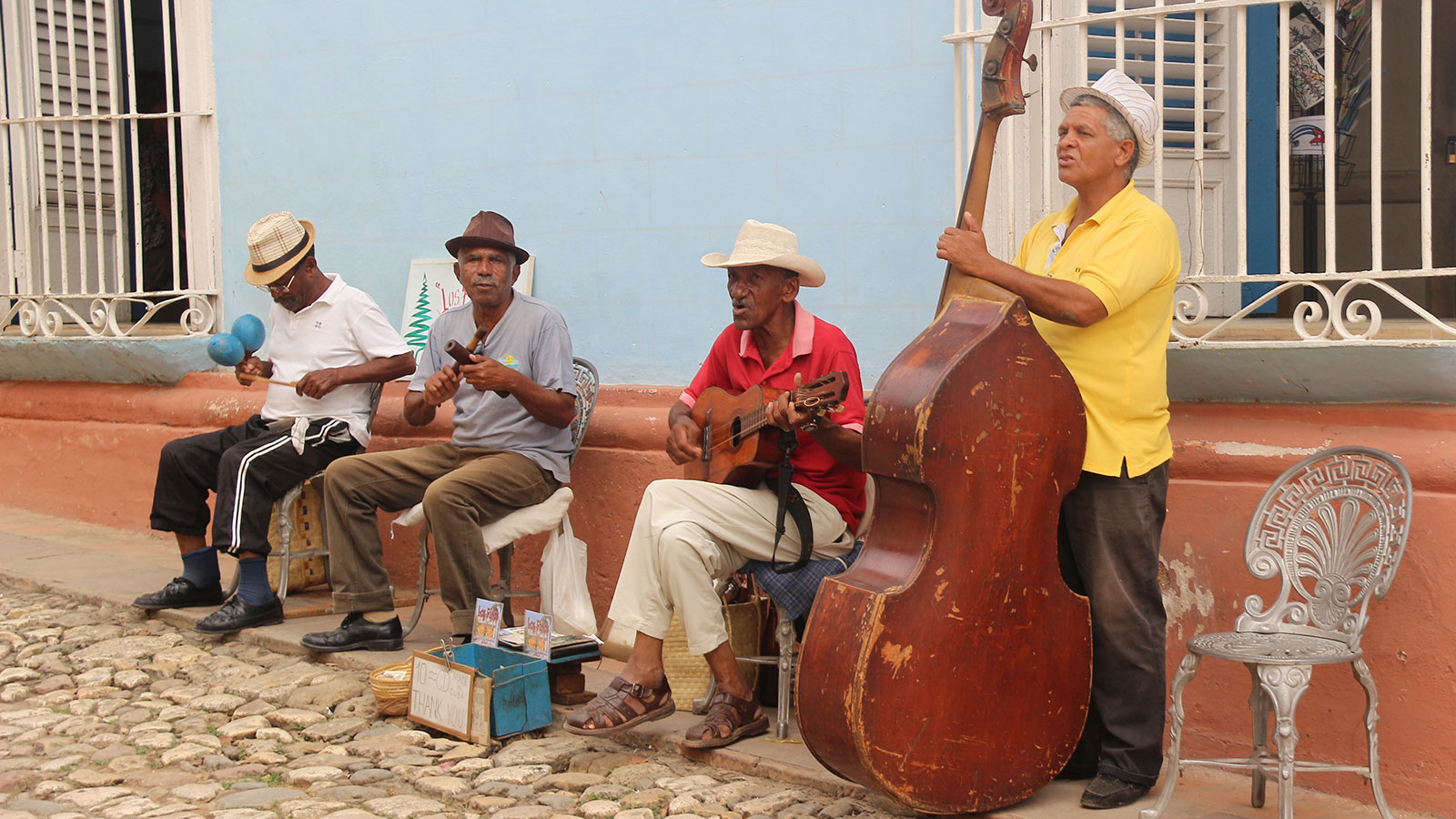
Head south and there is the fascinating and rich colonial history of towns such as Santa Clara, Camaguey, Holguin, Trinidad, Sancti Spiritus and Santiago de Cuba.
Nestled in the eastern part of Cuba, away from the main tourist hubs of Havana and Varadero, lies Holguin. The city is known for its history, vibrant culture, and untouched natural beauty. From historical landmarks to pristine beaches at Guardalavaca, Holguin offers a diverse range of experiences, making it an ideal destination for those seeking an authentic Cuban adventure. Check out the "Cross on the Hill" and the restaurant/bar for some fabulous views of the city by day or night.
I was particularly captivated by Camaguey in the heart of the island and its cobblestone streets, colonial squares, and welcoming people. As I wandered the streets trying my best not to get lost, I kept meeting people who were curious to know why I was so fascinated in their little town. The stunning pastel colour buildings, the little shops selling ceramics for which the town is famous, those vintage cars, and the smiling Cuban faces that told many a story, were just too good to ignore.
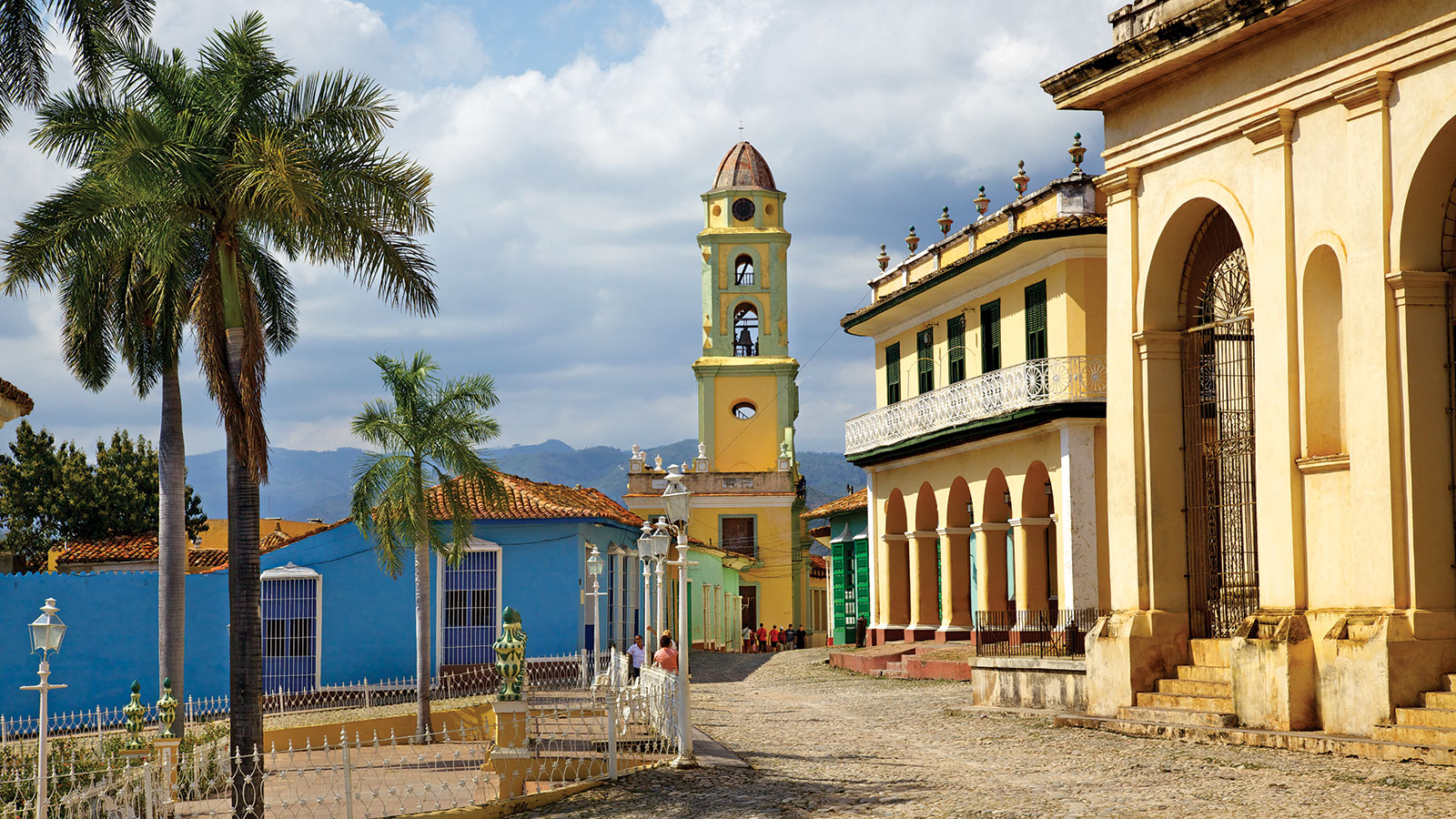
Safety was a question I posed prior to travelling to Cuba and I can honestly say that not once did I feel uneasy. Of course, you always need to exercise caution wherever you travel but I found Cuba both safe and friendly in all the towns and villages that I visited.
Beyond its bustling cities, Cuba has a wealth of natural treasures. Visit the verdant Viñales Valley, with its endless tobacco fields, or take a nature-filled journey through the Topes de Collantes in the Escambray Mountains.
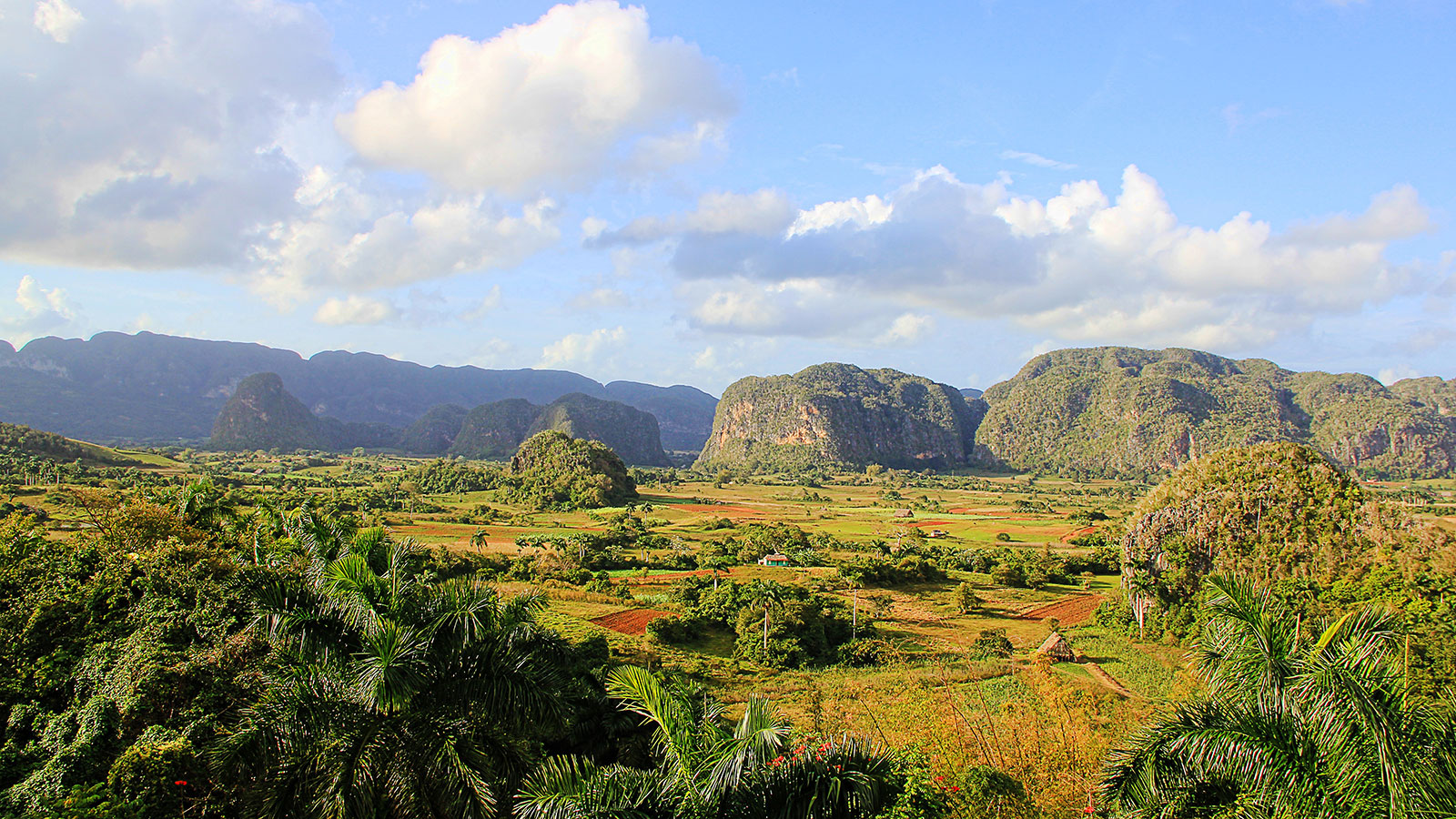
One day I took a jeep safari to the heart of Cuba and encountered unspoilt lakes, forests, and mountains. I visited a tobacco house and toured a traditional farm producing fresh local produce like pineapples, avocados, guava, mango, and cassava. I took a speed boat to a fabulous local fish restaurant and went horse riding in the Cuban countryside and even met real cowboys which, till then, I only thought lived in Texas.
This was not the Cuba I had expected but it was one that I loved.
Not many people outside of Cuba are that familiar with the Cayo's that are located off some coastal stretches. These peninsulas or islands, call them what you will, are some of the most isolated parts of Cuba yet the most beautiful. They are flat and devoid of towns or villages, yet the beaches are idyllic, and the hotels that are springing up are first-class!
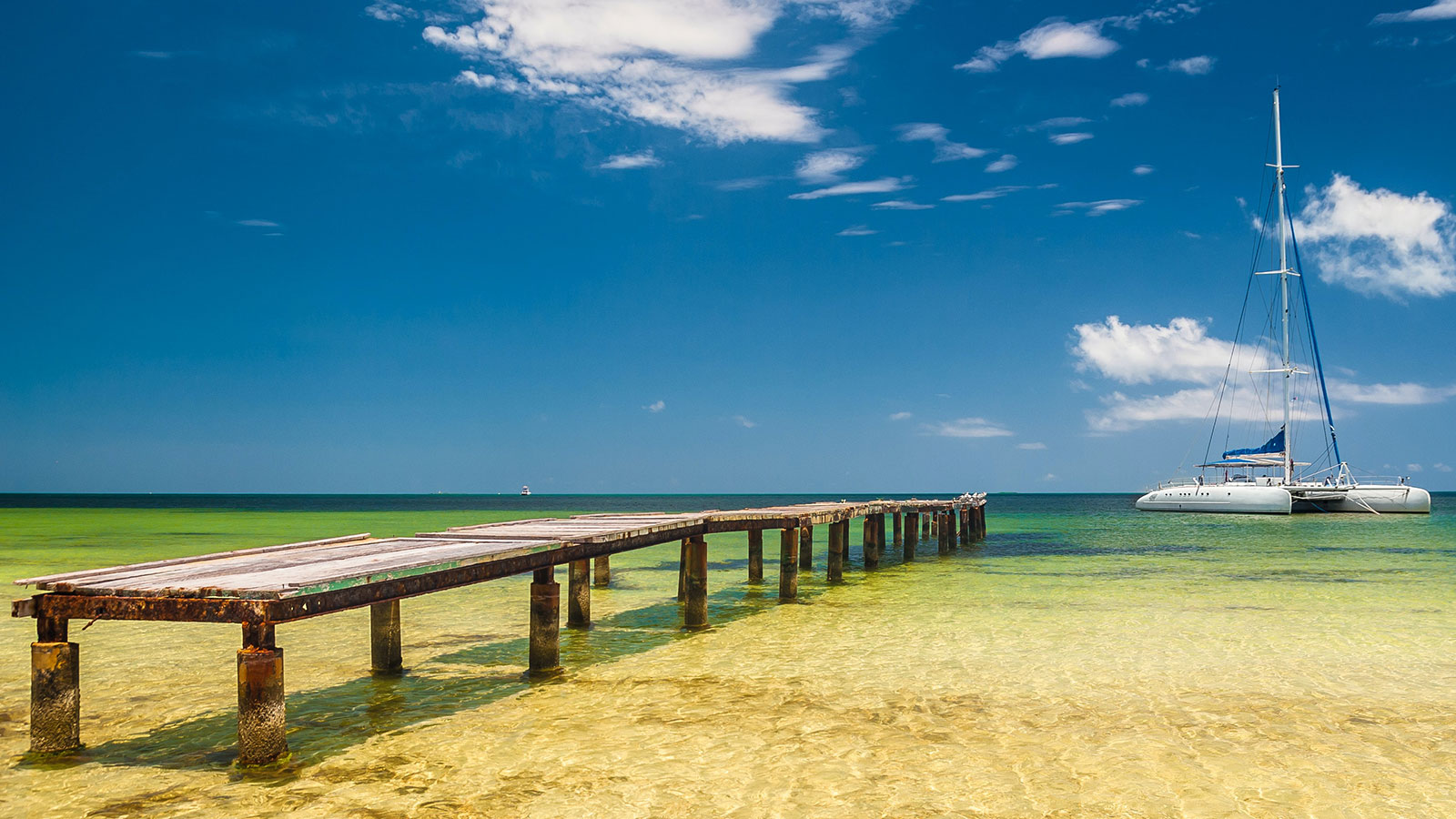
The Cayo's are connected to the mainland by a handful of causeways. The first connects Ciego de Avila, to the islands of Cayo Coco and Cayo Guillermo, midway down Cuba's north coast. The second connects the mainland to the island of Cayo Las Brujas and then onto Cayo Santa Maria.
All the islands have their own name, but they also come under archipelagos, such as the "Jardines del Rey". All of this can get a little confusing especially if you don't have a map so as a tip, I would suggest you buy a good one before you arrive in Cuba.
Once again there is Hemingway history as it was here in the Cayos that he wrote some of his most famous works including "Islands in the Stream" which was written on Cayo Guillermo.
Cuban food is excellent and blends Spanish, African, and Caribbean flavours. Rice, black beans, plantains, and "yucca" are frequently included in traditional meals, along with a variety of tasty meats.
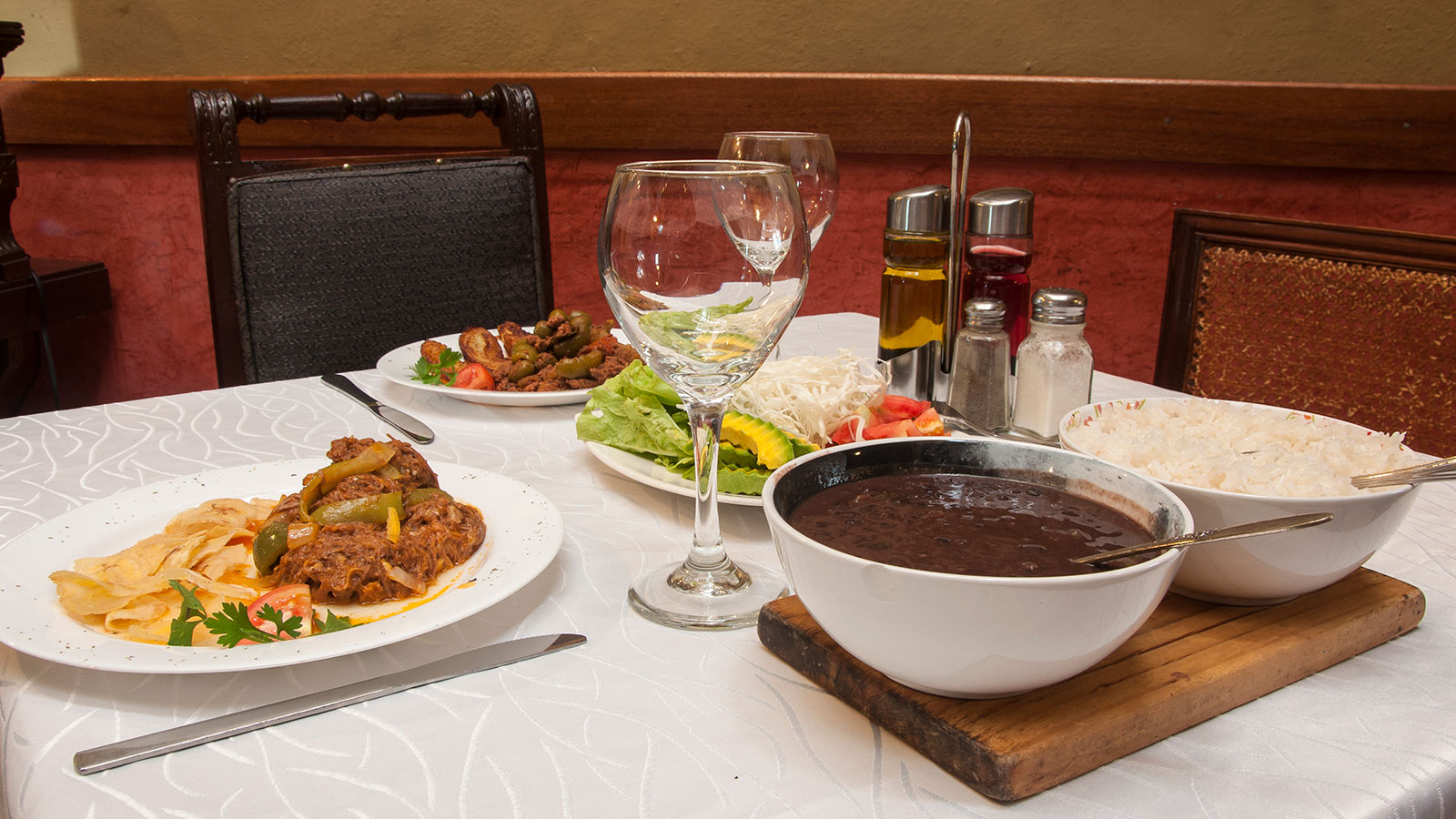
Shredded beef cooked in a delicious sauce made from tomatoes is one classic meal called "Ropa Vieja". The rice and black bean dish "Moros y Cristianos" is a representation of Cuba's cultural variety. Green plantains cooked twice, known as "Tostones", are also well-liked. "Yuca con Mojo" is a dish that features cassava paired with citrus and garlic sauce.
Cuba's well-known mojitos and sugarcane juice or "guarapo" are refreshing drinks that go well with the rich, varied flavours of Cuban food.
The Caribbean Island of Cuba is different. It's a little rough around the edges, but isn't everywhere? It just these Cuban edges are just ultra fascinating.
Embrace the island for its history and for how, with all its economic and political challenges, it welcomes visitors. As I have said, despite all the incredible attractions from the top of the island to the bottom, the country's greatest asset is its people... Talk to them, exchange tales, and take in the authentic hospitality that characterises Cuban culture. They are truly wonderful, and it was a humbling experience to be in their company.
Every step is a dance, every look is a lesson in Cuban history, and every taste is a cause for celebration. This treasure of the Caribbean invites you to discover the soul-stirring beat of Cuba. I am so pleased I had the opportunity to visit, and if you are thinking of going, then now is the time!

Travel Blogger
Rupert Diggins is a British writer and storyteller who has founded “Just One for The Road,” an award-winning travel blog, since 2020.
ATOL Protected
All the flights and flight-inclusive holidays on this website are financially protected by the
ATOL scheme.
When you pay you will be supplied with an ATOL Certificate.
Please ask for it and check to ensure that everything you booked (flights, hotels and other
services) is listed on it. Please see our
booking
conditions
for further information. For more information about financial protection and
the ATOL Certificate go to
the ATOL
website
.
Copyright © 2026 | All Rights Reserved.
Simply Cuba is a trading name of simplyflights.co.uk LTD ATOL No. 11771